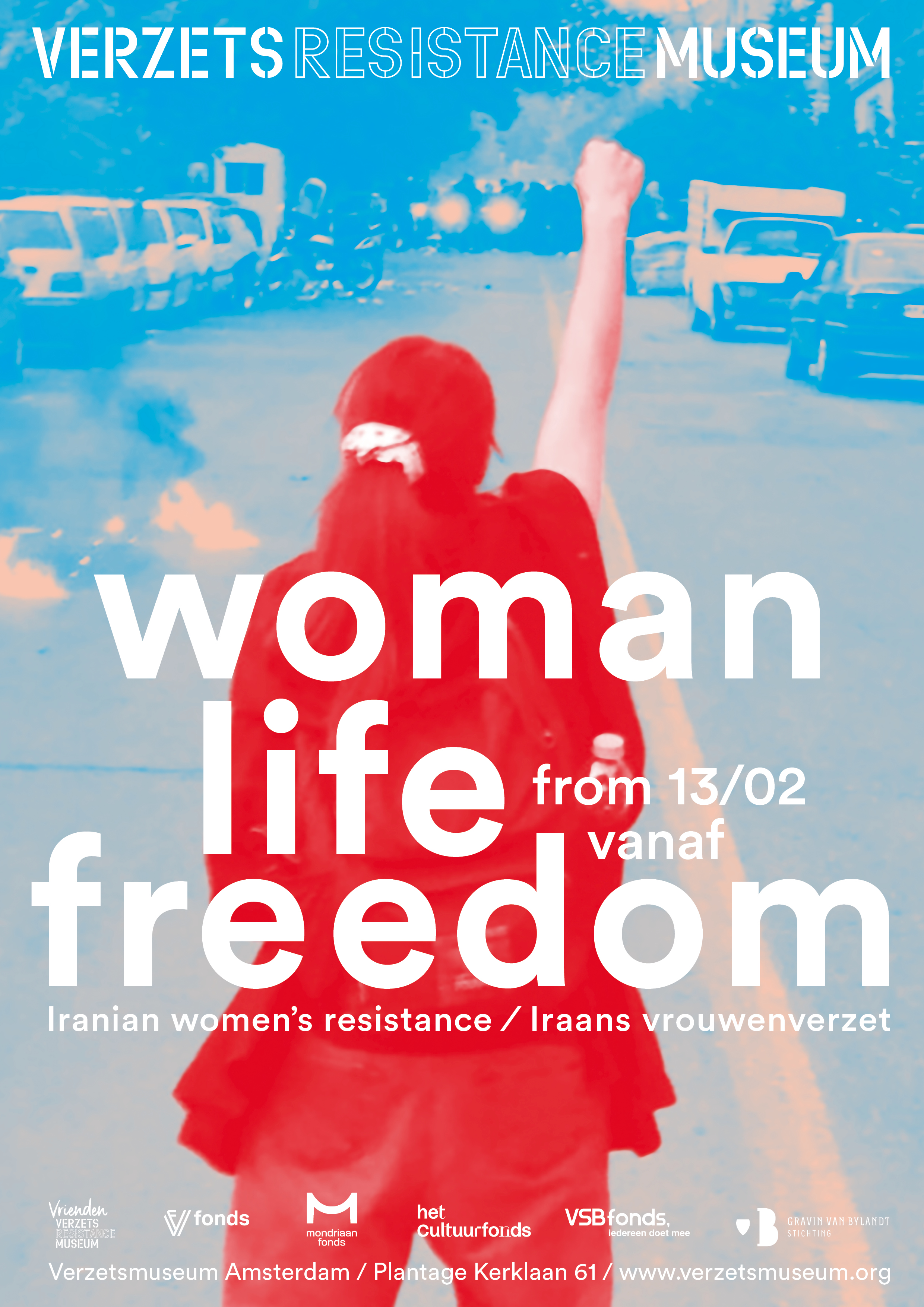
Woman, Life, Freedom – Iranian Women’s Resistance at the Dutch Resistance Museum
PRESS RELEASE & INVITATION
5 February 2026
On 13 February 2026, the exhibition Woman, Life, Freedom – Iranian women’s resistance opens to the public at the Dutch Resistance Museum. Under the slogan “Woman, Life, Freedom”, Iranians took to the streets at the end of 2022, sparking a movement that spread worldwide. The exhibition highlights the diversity of the Woman, Life, Freedom movement and places this resistance within a long historical context. Central to the exhibition are the strength and resilience of women and other Iranians who, despite great risks, resist oppression and inequality.
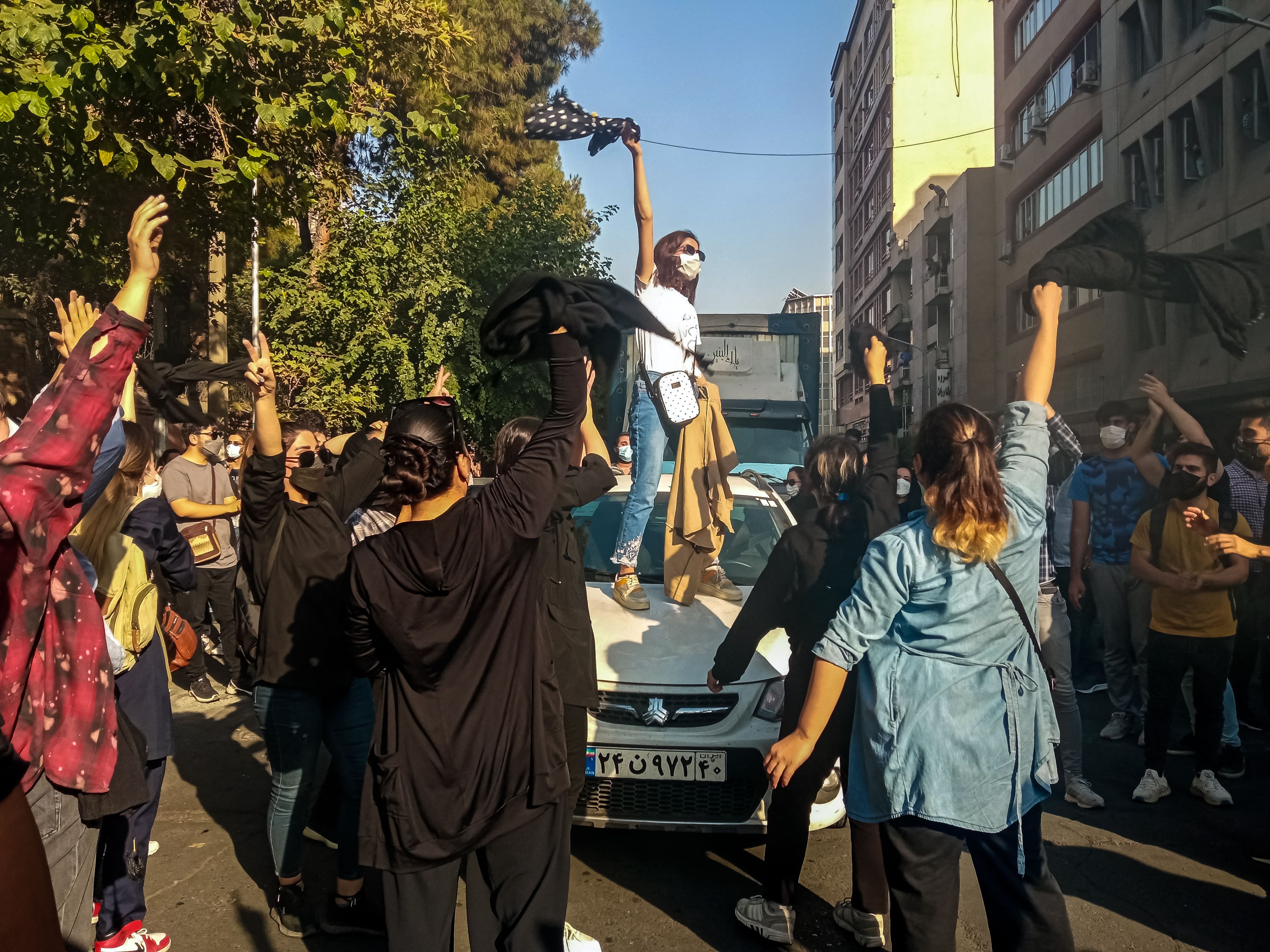
Now that in 2026 Iranians once again took to the streets in great numbers to protest against the regime, and these demonstrations are being violently suppressed with many fatalities as a result, the Resistance Museum presents the stories behind the protest wave that erupted in Iran at the end of 2022. The immediate trigger for that wave of protests was the killing of 22-year-old Jina Mahsa Amini by Iran’s morality police, for not wearing her hijab correctly. Iranians of all genders, social groups and ethnic backgrounds turned against the regime. The Kurdish slogan “Jin, Jiyan, Azadî”, rendered in Persian as “Zan, Zendegī, Āzādī”, gained international recognition as “Woman, Life, Freedom”. The protests inspired similar actions around the world.
The Woman, Life, Freedom movement fights for equal rights for women and for freedom and equality for all Iranians. Precisely because women are often the most oppressed group, their struggle forms the heart of a broader resistance movement.
Women in Tehran wave their hijabs and chant slogans during a protest in 2022.
Historical context
The exhibition at the Resistance Museum shows that this resistance does not stand on its own and that Iranian women’s resistance dates back to the mid-nineteenth century. Through a timeline, key moments, influential women and forms of protest are highlighted.
From this historical perspective, the exhibition shows how Iranian women’s resistance has manifested itself since 2022. Through personal stories, news footage and artworks, the creativity and courage of the movement are revealed in a wide range of forms of resistance: from street protests and online activism to acts of protest in classrooms, prisons, memorial sites and within the Iranian diaspora.
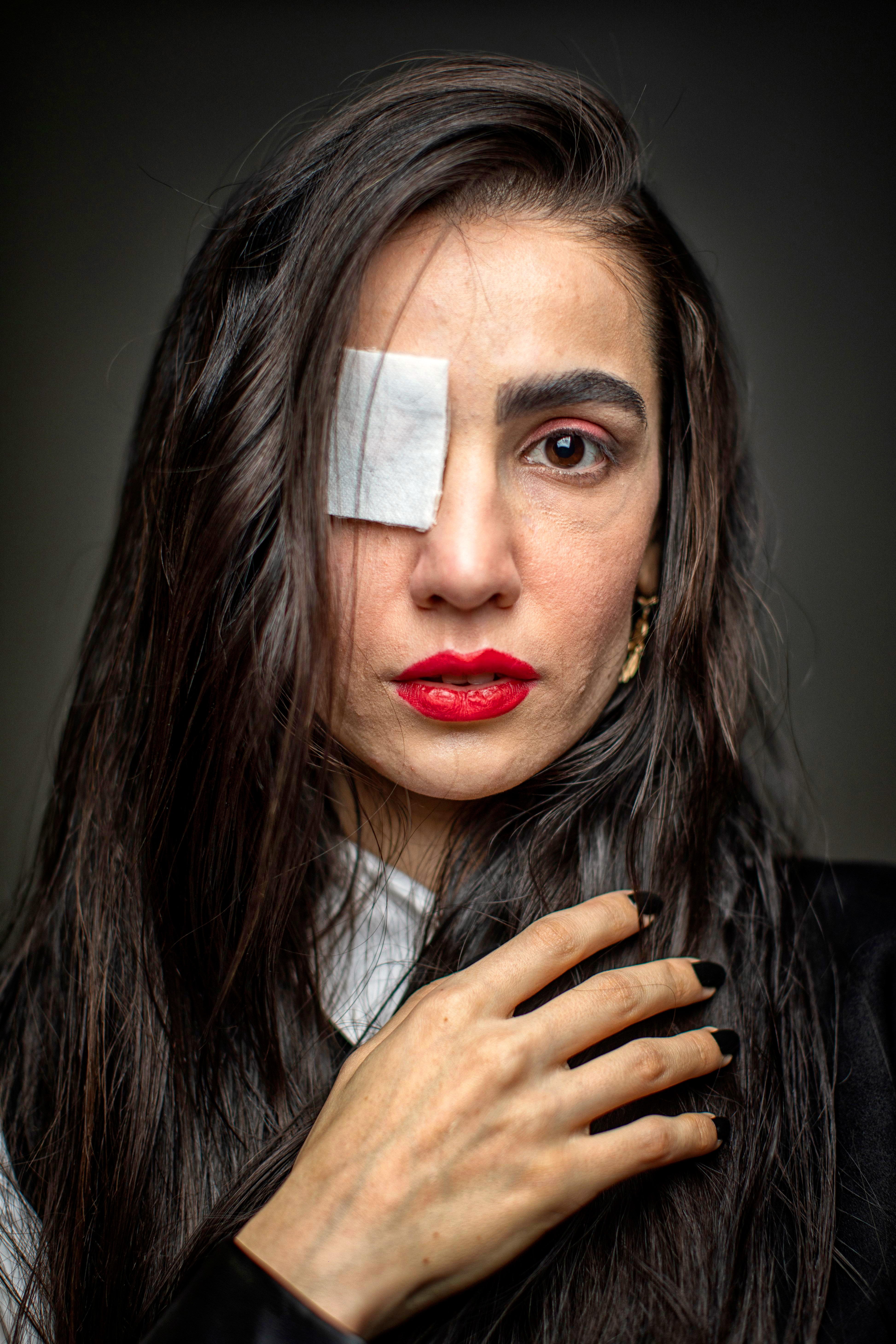
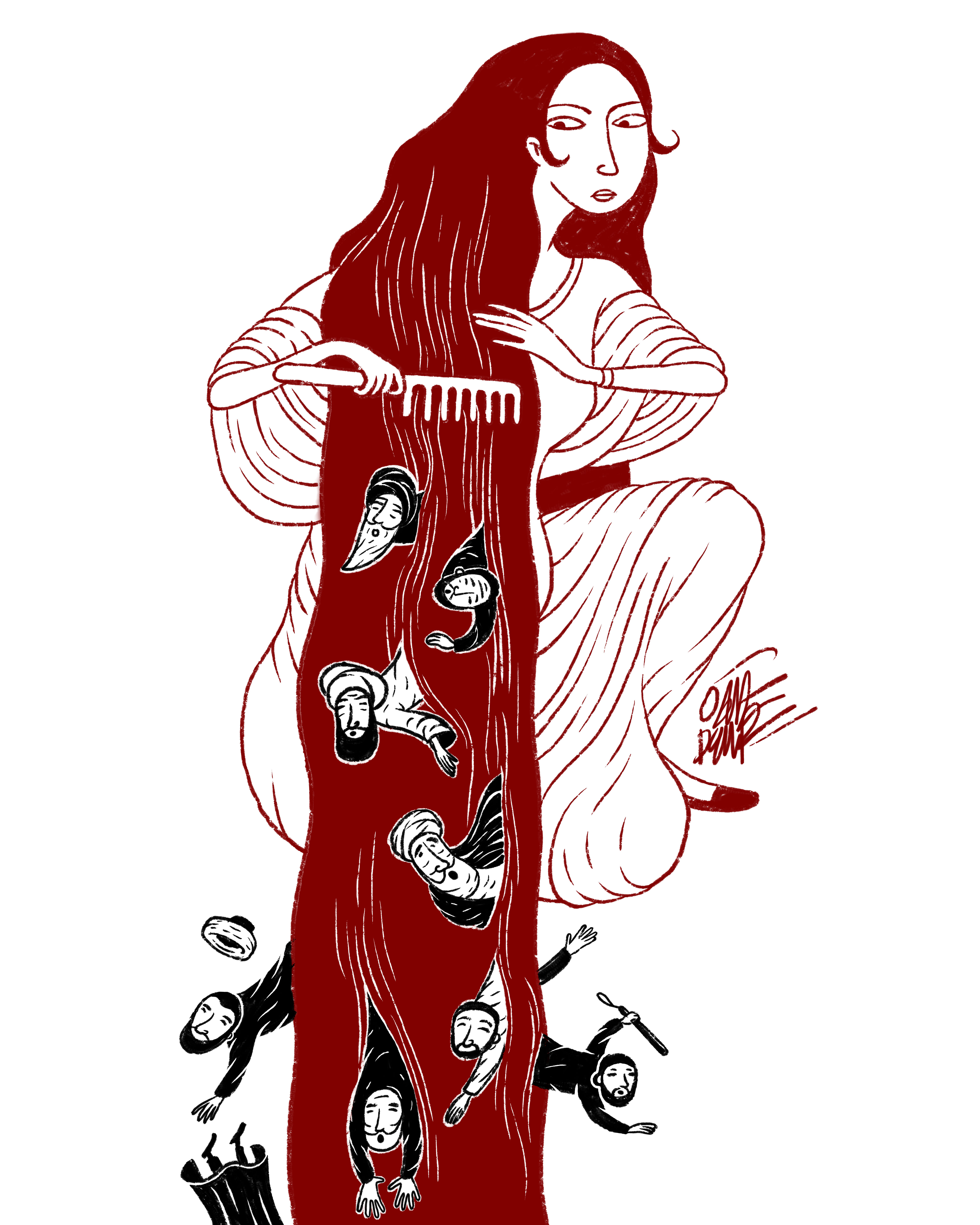
Two artworks from the exhibition
|
Advisory group of Iranian women
Any form of resistance can carry severe consequences, including imprisonment or even death. Iranians who have fled the country and support the movement from abroad are also monitored and intimidated by the Iranian regime. An advisory group of Iranian women in the Netherlands was closely involved in the development and content of the exhibition; some members remain anonymous for security reasons.
Woman, Life, Freedom – Iranian women’s resistance calls for sharing of stories of resistance from Iran. At a time when Iranians’ resistance to the dictatorship is being brutally crushed, support, awareness and solidarity are more important than ever.
END OF PRESS RELEASE
Information for the press (not for publication)
Always include image credits (except for the poster)
Press preview on 12 February
On Thursday 12 February, from 13:00h to 15:00h, members of the press will have the opportunity to visit the exhibition.
Interviews
During the press preview, in addition to the director and the exhibition curator of the Resistance Museum, Mansoureh Shojaee and Nilou Yekta will be available for short interviews. Both are members of the advisory group mentioned above and, from their personal and professional involvement, can provide further insight into the development and significance of the exhibition. They are also available for longer interviews at a later date. Registration for the press preview and requests for interviews should be directed to Head of Communications Jason Chong: chong@verzetsmuseum.org, +31 (0)20 820 4880.
Mansoureh Shojaee is a writer, women’s rights activist and founder of The Iranian Women's Movement Museum (IRWMM). She is a prominent voice within the Iranian women’s movement. Due to her activism, she has been arrested several times and has lived in Europe since 2011. From Europe, she continues to advocate for women’s rights, freedom of expression and democratic change in Iran, as a speaker, researcher and writer.
Nilou Yekta is a PhD candidate at Utrecht University. Her research is part of the Vidi project Iran’s Secular Shift, where she explores the visualization and emotional dimensions of secularity in contemporary Iran. Her work examines questions of gender, identity, resistance and social movements through digital media, with the Woman, Life, Freedom movement as a key turning point in Iranian visual culture.